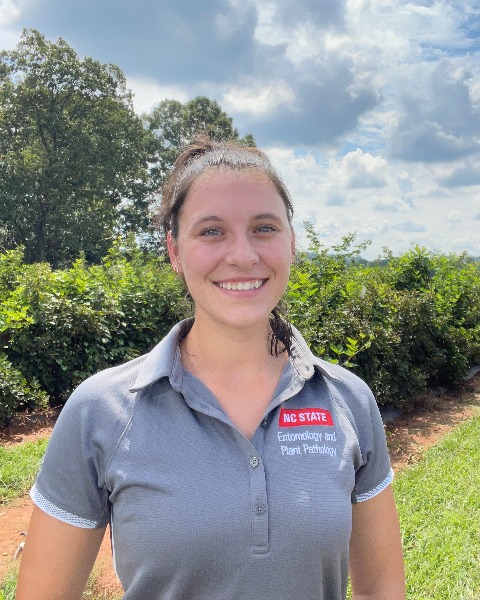
Postdoctoral Research Scholar North Carolina State University Raleigh, North Carolina
Climate change–leading to increasing CO2, temperatures, and severe weather–threatens global ecosystem functioning and human wellbeing. These changes are already influencing species distributions, especially pest species. When new pests are detected in agricultural areas, management responses are typically extreme and, in most cases, pesticide use will increase dramatically. This extreme response, in an already somewhat inhospitable habitat, can lead to further unintended consequences such as secondary pest outbreaks and negative impacts on beneficial organism populations. Arguably the most important group of beneficial organisms in agriculture is pollinators, and more specifically bees. Bees contribute to pollination of our natural and agricultural areas, with 66% of the 128 world’s most important crops relying on pollination from bees. As agricultural areas expand and pest management intensifies, we must understand how to protect our beneficial insects. Here, we explore protecting pollinators in agricultural systems through conservation efforts and concepts of integrated pest and pollinator management. Research conducted in North Carolina agroecosystems from 2016 to the present has resulted in the most detailed survey of native bee populations in the state to date, empirical measurements of the impact of conservation actions on bee health and crop yield, and developed field-realistic recommendations for integrated agricultural management. We’ll discuss how these large datasets have been used to answer further research questions and how they can continue to be used into the future.

.png)